The earth shakes on Easter morning. The Gospel of Matthew does not ease us into resurrection with birdsong and soft light. Matthew opens the story with the ground convulsing beneath the women’s feet. An angel descends like lightning. The stone groans as it rolls away. Guards collapse in fear. These seismic details are unique to Matthew’s resurrection narrative. Earthquakes appear at pivotal moments throughout this Gospel: Jerusalem trembles when Jesus enters on Palm Sunday, the earth quakes when Jesus dies on Good Friday, and again here on Easter morning. As Carol Prickett wrote in last week’s lectionary reflection, “Three times Matthew reminds us: God’s power can shake the whole world. God’s power can also remake it.” Matthew wants us not only to know but to feel that something has shifted in the foundations of reality. Before this morning, the rules of the world seemed painfully clear. Empires rise and crush their opponents. The struggle for justice falters and fails. Love blooms and breaks. And eventually death closes the curtain. Mary Magdalene and the other Mary come to the tomb expecting the world to behave the way it always has, expecting the certainty of death. They carry spices and sorrow, ready to perform the final act of love for the one they followed. Then the earth shakes and the angel speaks what was once impossible: “He is not here; for he has been raised.” The women leave the tomb, Matthew says, “with fear and great joy.” Joy, because Christ is alive. Fear, because if Christ is alive, everything is different, new, and disorienting. ... Read the rest of the commentary at pres-outlook.org. | 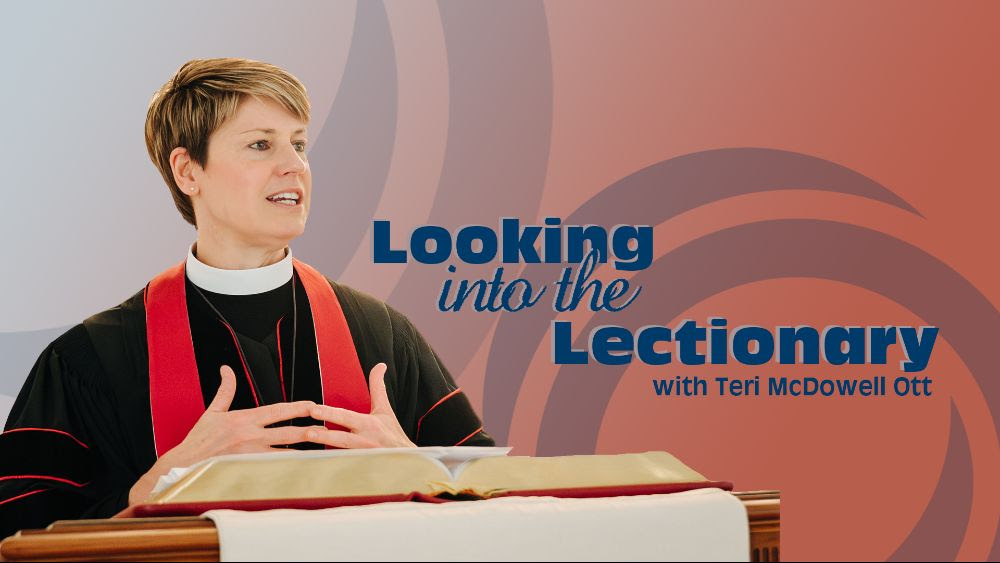




 World Council of Churches (WCC) general secretary Rev. Prof. Dr Jerry Pillay expressed profound sorrow over the catastrophic flash flood tha...

No comments:
Post a Comment